
Native Plants
Brisbane Free Native Plants: How to Use Yours for a Bird-Friendly Garden
Published · Last updated
Written by Gnomie the Garden Gnome, reviewed by the Two Friendly Gardeners team.
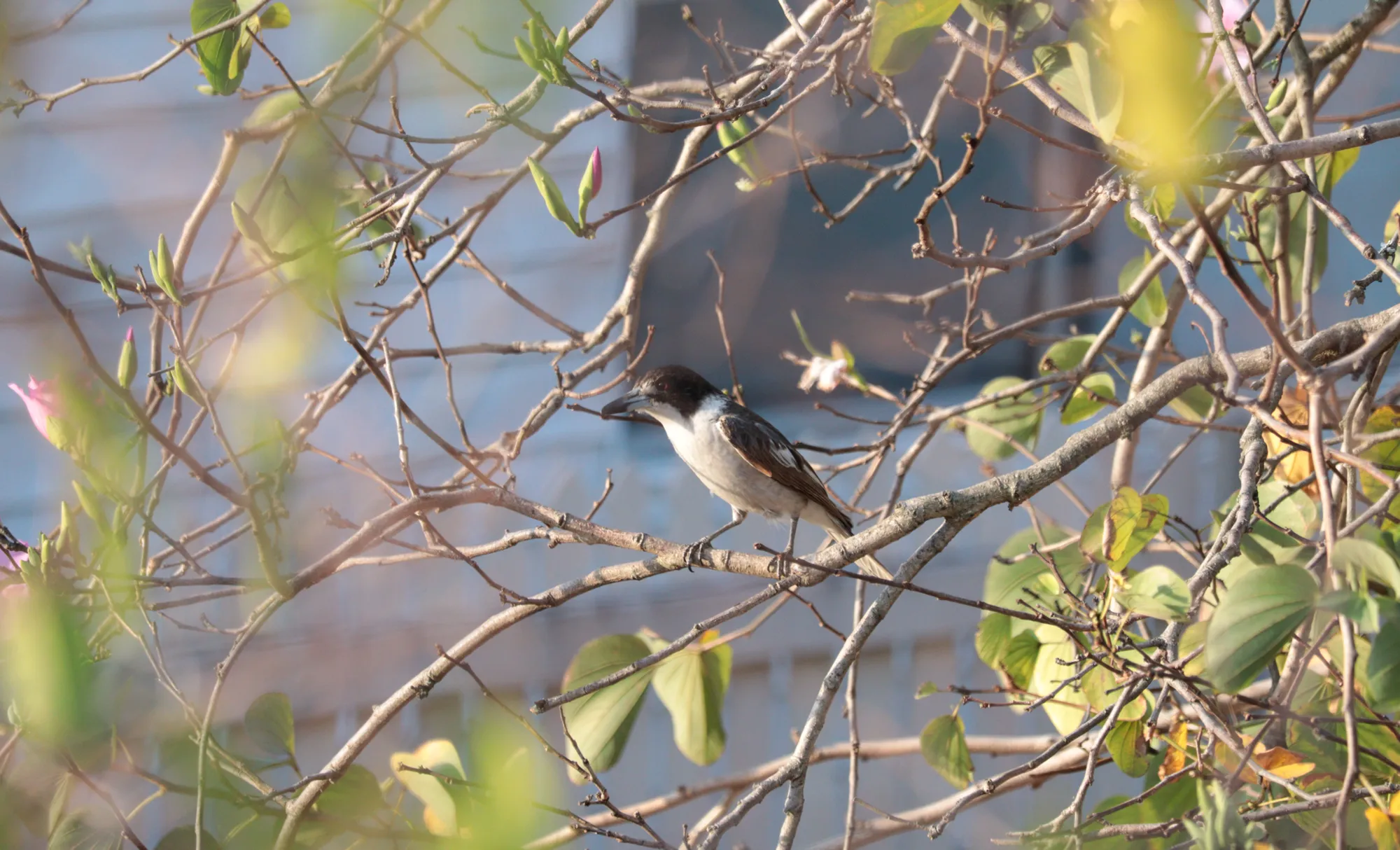
Brisbane Free Native Plants: How to Use Yours for a Bird-Friendly Garden
G’day from the garden! If you’re lucky enough to grab your free natives through the Brisbane City Council Free Native Plants Program, you’re in for a treat. These plants are perfectly suited to South East Queensland conditions and can turn your patch into a haven for local bird life while helping with our clay soils and humid summers.
Choose the Right Spot for Your Brisbane Free Native Plants
Before planting, check your microclimate. Most SEQ natives love full sun to part shade, so observe how light moves across your garden throughout the day. Avoid low-lying spots that collect water during heavy storms.
Prepare Your Soil Like a Local
Brisbane’s heavy clay can be tough on new plants, so dig in plenty of organic matter and create raised mounds for better drainage. This helps roots establish quickly without rotting in our wet season.
Top Flowering Natives for Birds
Here are some excellent choices that thrive in SEQ and bring plenty of feathered visitors:
Grevillea – Nectar-rich blooms that attract rainbow lorikeets and honeyeaters year-round.
Callistemon (Bottlebrush) – Bright, brush-like flowers that draw bees and birds while handling humidity well.
Banksia – Sturdy flowers that provide food and shelter for small birds.
Kangaroo Paw – Striking blooms loved by nectar feeders. They perform best in pots or raised beds with excellent drainage, making them a great option for balconies and courtyards.
Native Hibiscus (such as Hibiscus heterophyllus) – Delicate flowers that add colour and support pollinators in subtropical gardens.
Water Wisely During Establishment
Give new plants a deep soak once a week for the first few months, then ease off as they establish. Mulching heavily is essential to retain moisture through Brisbane’s summer heat and help with water-wise gardening. A good layer of mulch also suppresses weeds and keeps roots cooler.
Layer Plants for Habitat
Combine groundcovers, shrubs, and a small tree to create shelter at different heights. This layered approach encourages more bird species to visit your garden regularly and makes your space feel more like natural bushland.
Common Mistakes to Avoid
Overwatering is the biggest issue — many new gardeners drown their natives. Another common error is planting too close together, which reduces airflow and can invite fungal problems in SEQ’s humid climate. Give plants room to breathe and establish strong root systems.
Frequently Asked Questions
How many plants can I get through the Brisbane Free Native Plants Program?
Eligible Brisbane residents can collect 2 free native plants per financial year. Recently built homes in certain suburbs may be eligible for a one-off allocation of 4 plants. Check the council website for full details and participating nurseries.
When is the best time to plant my free natives?
Autumn and early spring are ideal in SEQ. This gives the roots time to settle before the heat of summer arrives.
Do these plants need fertiliser?
Most native plants thrive with minimal feeding once established — just good soil preparation and mulch. If your soil is very poor, a low-phosphorus native fertiliser applied sparingly after the first few months can give them a gentle boost.
With a bit of planning, your free natives will soon be flowering and full of feathered visitors.
Sounds like a job for the Two Friendly Gardeners crew — happy to pass your details to Louis for a no-obligation quote if you need help with larger plantings or garden design.
What native are you most excited to try?